A founder once asked me to help with something that sounds deceptively simple: "Can you help me update my website?"
The answer was yes. The reality was "not yet."
Because websites are rarely the actual problem.
In this case, the founder had spent nearly four decades building relationships in the motion control and automation industry. He'd led sales organizations, served on industry boards, developed partnerships across multiple countries, and built the kind of network most people spend an entire career trying to create.
The problem wasn't a lack of experience. The problem was that none of that was obvious online.
His website was fine. His LinkedIn profile was fine. In fact, that's what made the project interesting. On paper, everything was there: the experience, the credentials, the industry knowledge, and a long track record of success.
But after spending a few minutes reviewing his online presence, I found myself asking a simple question: why should someone call him instead of anyone else?
That's where we started. Here's how it played out.
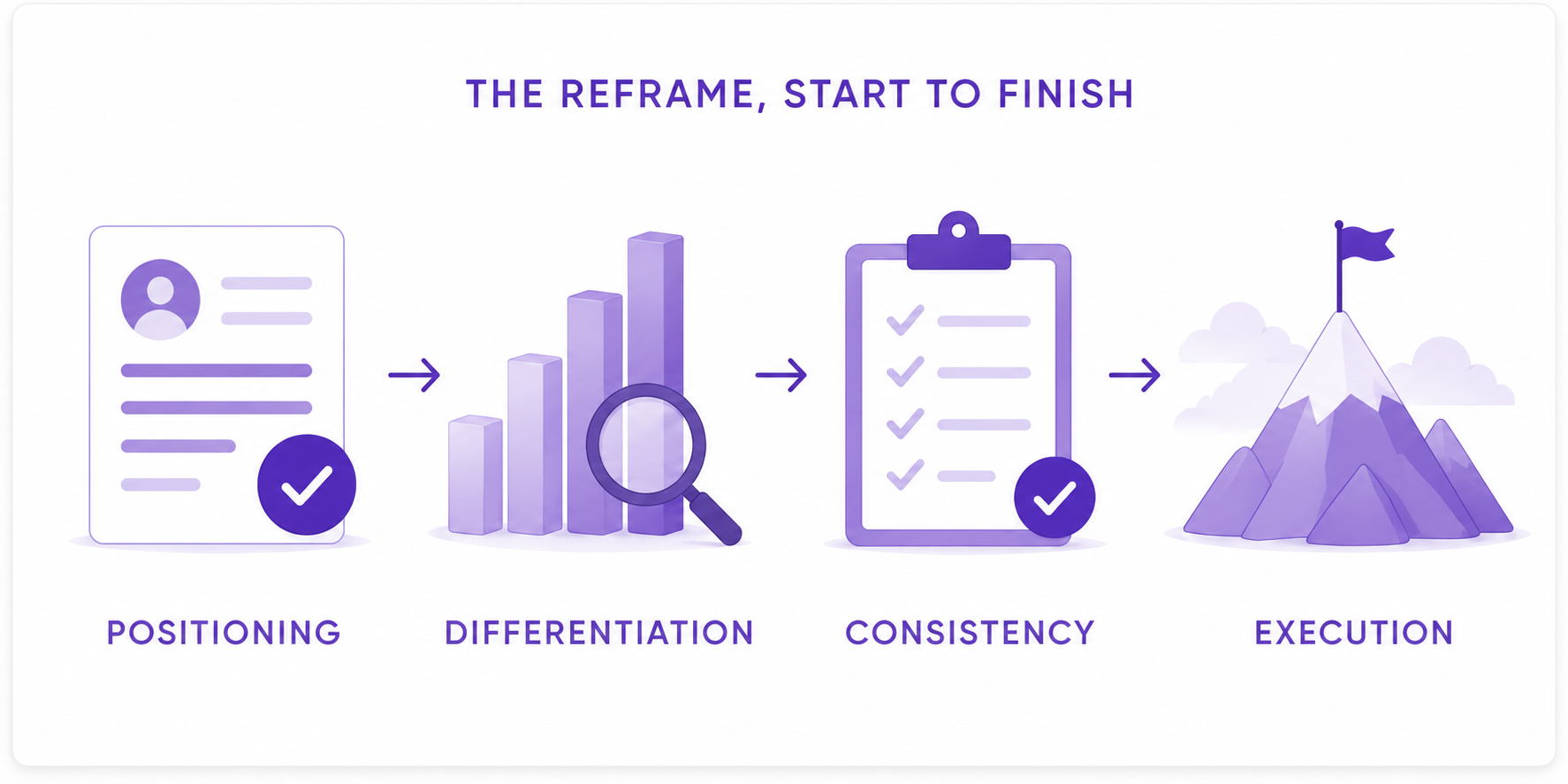
01 — Positioning
Start With Positioning, Not Design
One of the most common mistakes I see founders make is jumping directly into tactics.
A new logo. A new website. New colors. New photography. Maybe even a complete redesign.
None of those things matter if the underlying message isn't clear.
Before touching the website, we spent time defining what actually made the business different.
The answer wasn't consulting, automation, or industry expertise. It was access.
After nearly 40 years in the industry, he had built relationships with manufacturers, distributors, systems integrators, technology providers, and executives across North America and Asia. More importantly, he knew how to leverage those relationships to help clients open doors, form partnerships, and accelerate growth.
That insight eventually became the foundation of the entire brand.
"Decades of industry access. Working for you."
Once we had that, everything else became easier.

02 — Differentiation
Experience Isn't Positioning
Many experienced professionals make the same mistake when they market themselves.
They assume their experience is their positioning. It isn't.
Experience is evidence. Positioning is the story.
Most people don't hire a consultant because they've held impressive titles or worked for recognizable companies. They hire someone because they believe that person can solve a problem they care about.
Instead of leading with job titles and company names, we shifted the focus toward outcomes: strategic partnerships, market expansion, industry relationships, revenue growth, and access to key decision makers.
The experience didn't disappear. It simply became proof instead of the headline.
03 — Consistency
Consistency Builds Credibility
Once the positioning was clear, the rest fell into place.
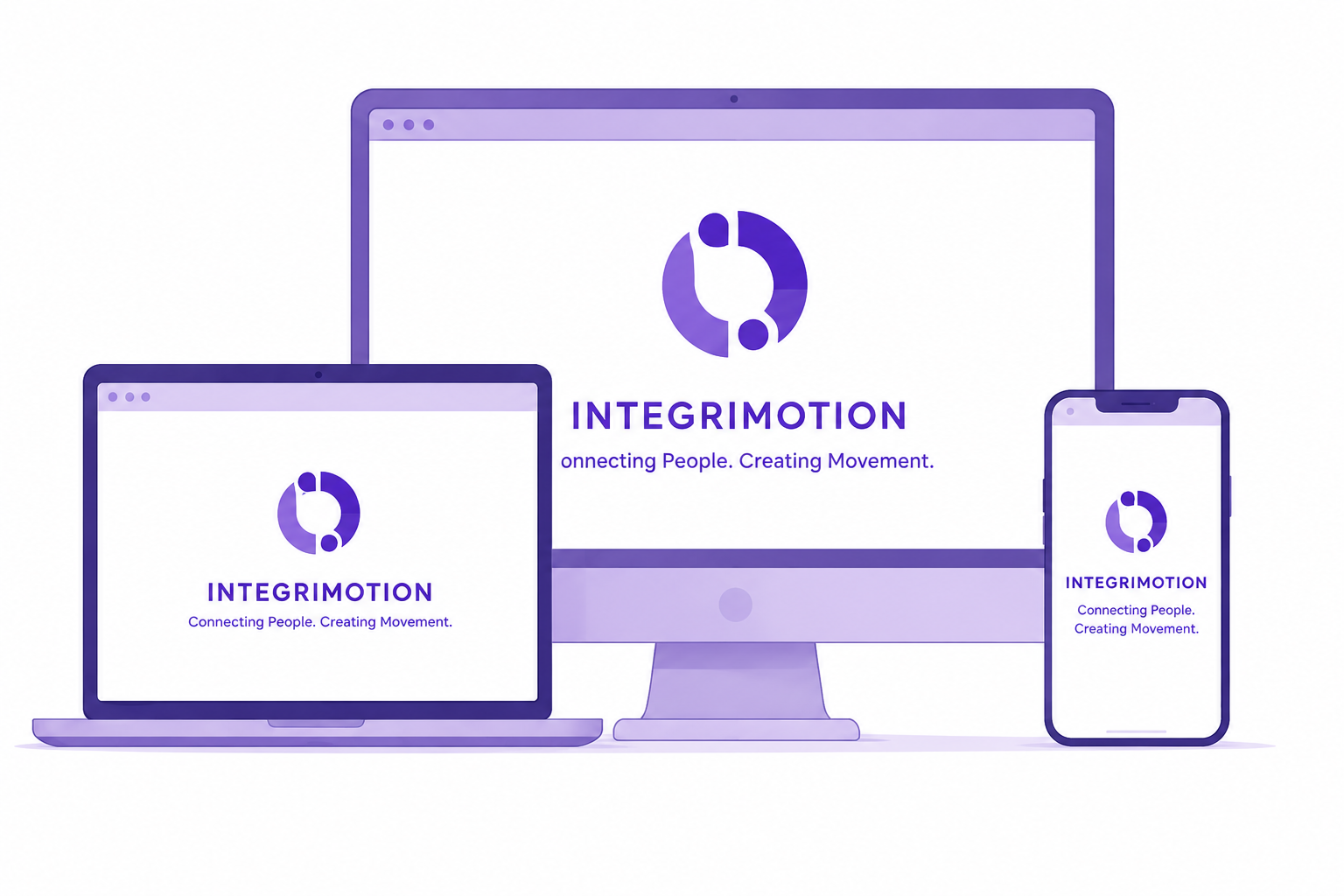
We updated the website, refreshed the LinkedIn profile, created a company page, refined the messaging, and developed a visual identity that better reflected the business. None of it was about chasing trends or making things look more modern. It was about ensuring that every touchpoint reinforced the same story.
- Website copy and structure
- LinkedIn profile and About section
- A new LinkedIn company page
- Visual identity, including banner imagery and color palette
When someone discovers your business through LinkedIn, clicks through to your website, and decides whether to contact you, they shouldn't feel like they're interacting with three different companies.
A surprising number of businesses lose credibility simply because their story changes depending on where you encounter them.
04 — Execution
The Website Was Actually the Last Step
People often assume websites create businesses.
Most of the time, they simply reveal whether a business knows how to explain itself.
The final website wasn't dramatically larger than the original one. It didn't have dozens of pages or flashy animations. What changed was the clarity.
Instead of describing what the founder had done, it focused on what he could do for someone else. That's a subtle difference.
It's the difference between a digital brochure and a business development tool.
What I Took Away From This Project
The biggest lesson wasn't about web design.
It was a reminder that many founders already possess their greatest competitive advantage. They just haven't taken the time to articulate it.
I've seen this repeatedly with executives, consultants, and subject matter experts. They assume everyone understands the value they bring because they've been living it for years. But expertise that isn't communicated clearly is often invisible.
In many cases, the expertise, relationships, and credibility are already there. The challenge is translating them into a story that someone else can understand in a matter of seconds.
Most founders don't have a credibility problem. They have an articulation problem.
So sometimes the most valuable thing you can do isn't build something new. It's uncovering the value that's already there and making sure other people can see it.